When Was Your Last Financial Checkup?
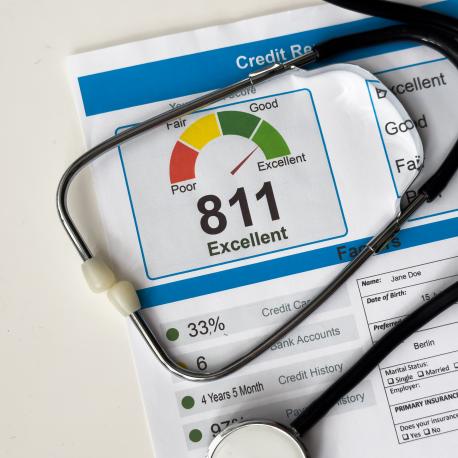
Most people make time for annual physicals, dental appointments, and routine vehicle maintenance. But how often do we take the time to check in on our financial health?
Just like your overall well-being, your financial future depends on healthy habits and regular monitoring. One of the most important parts of a financial checkup is understanding your credit report and credit score.
Your credit score helps lenders evaluate your ability to repay borrowed money and represents the level of risk associated with extending credit. It is based on information contained in your credit report and plays an important role when applying for loans, financing, and other financial opportunities.
Why Your Credit Matters
Whether you're planning to purchase land, build a home, refinance existing debt, or invest in your future, your credit can affect the options available to you and the interest rates you receive.
Generally, stronger credit can provide access to more favorable financing options, while lower credit scores may limit borrowing opportunities or result in higher costs over time.
The good news? Building and maintaining good credit often comes down to a few consistent habits.
Four Steps for a Financial Checkup
Review Your Credit Report
Your credit report contains information about your credit history, including your accounts, payment history, balances, and public records that may affect your creditworthiness. It also includes personal identifying information and records of how you've managed credit over time.
Reviewing your report regularly can help you:
- Spot errors or inaccurate information
- Detect fraud or identity theft
- Understand what lenders may see when evaluating your application
- Stay aware of your financial obligations
Pay on Time
Payment history is one of the most influential factors in determining a credit score. Consistently paying bills on time demonstrates financial responsibility and can positively affect your credit profile. On the other hand, missed or late payments can significantly impact your score.
Setting up automatic payments or reminders can help ensure you never miss a due date.
Keep Balances Manageable
Another important factor is the amount of available credit you're using. Lenders often look at your credit utilization ratio, which compares your credit card balances to your available credit limits.
Many lenders prefer to see utilization rates below 30%, as lower utilization may indicate responsible credit management.
Monitor for Fraud
Regularly checking your credit report can help identify accounts, inquiries, or activity that you don't recognize. Detecting suspicious activity early can help prevent larger issues down the road.
How to Get Your Credit Report for Free
Obtaining your credit report is easier than many people realize.
The three nationwide credit reporting companies have established a central resource where consumers can request their free credit report. To order your report:
Visit AnnualCreditReport.com
Call 1-877-322-8228
Once you receive your report, take a few minutes to review the information carefully and make sure everything is accurate.
A Small Investment in Your Future
Strong credit is built over time through responsible financial decisions and consistent habits. Understanding what's on your credit report, making payments on time, managing debt wisely, and monitoring fraud can help position you for future opportunities.
Think of it as an annual wellness visit for your finances.
A few minutes spent reviewing your credit today could help you make more informed decisions tomorrow, whether you're purchasing property, building a home, growing your operation, or preparing for life's next chapter.
Your financial health deserves a checkup, too.
At Farm Credit of Northwest Florida, we're committed to helping our communities build strong financial foundations and achieve their goals for rural living, working, and playing in the country.